
 SUPPLIERS OF QUALITY FLAGS SINCE 2008
SUPPLIERS OF QUALITY FLAGS SINCE 2008
R295
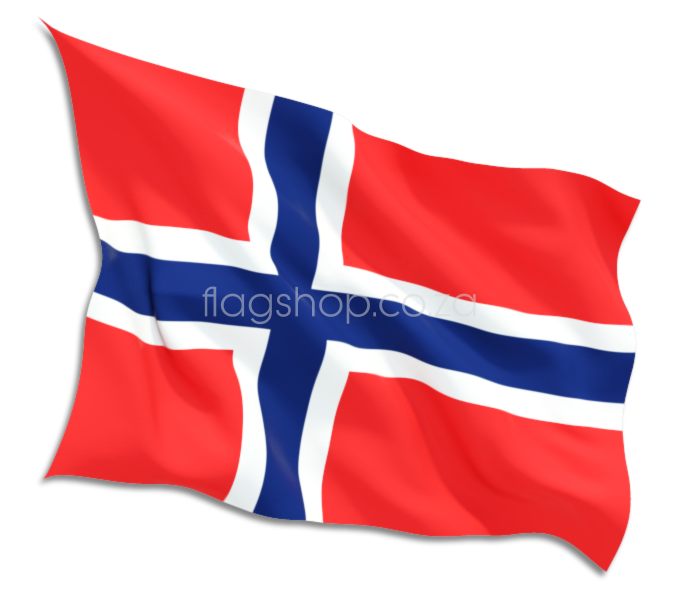
Bouvet Island (Norwegian: Bouvetøya, previously spelled Bouvet-øya) is an uninhabited subantarctic volcanic island and dependency of Norway located in the South Atlantic Ocean.
• 90 x 60cm (Storm Size)
• 135 x 90cm (Universal Size)
• 180 x 120cm (Standard Size)
• 270 x 180cm (Ceremonial Size)
• Fitted with header, rope and toggle ready for hoisting
• Material: 100% Polyester Bunting (The Real Flag Material)
• Strikethrough: 97% Ink penetration resulting in a crisp mirror image on the reverse side of the flag
• Reverse Side: Mirror image of front side
Suited for conditions such as intense UV radiation, moist, salty air and high winds.
The average life expectancy of a flag is between 10 and 12 months with normal wear and tear but will differ with fluctuating weather conditions.
Taking care of your flags will prolong the lifespan and keep them looking good.
• Lower your flags at night
• Wash your flags regularly. Dirt can erode fabrics, dull the colours and cause wear
• Inspect your flags for deterioration of stitching and thread and have them repaired
• Expected delivery between 7 to 10 business days
• Free delivery for orders over R1000
It lies at the southern end of the Mid-Atlantic Ridge and is the most remote island in the world, approximately 2,200 kilometers (1,400 mi) south-southwest of the coast of South Africa and approximately 1,700 kilometers (1,100 mi) north of the Princess Astrid Coast of Queen Maud Land, Antarctica.
The island has an area of 49 square kilometers (19 sq mi), of which 93 percent is covered by a glacier. The centre of the island is an ice-filled crater of an inactive volcano. Some skerries and one smaller island, Larsøya, lie along the coast. Nyrøysa, created by a rock slide in the late 1950s, is the only easy place to land and is the location of a weather station.
The island was first spotted on 1 January 1739, by (and was later named for) Jean-Baptiste Charles Bouvet de Lozier. He recorded inaccurate coordinates and the island was not sighted again until 1808, when the British whaler captain James Lindsay named it Lindsay Island. The first claim of landing, although disputed, was by Benjamin Morrell. In 1825, the island was claimed for the British Crown by George Norris, who named it Liverpool Island. He also reported Thompson Island as nearby, although this was later shown to be a phantom island. The first Norvegia expedition landed on the island in 1927 and claimed it for Norway. At this time the island was named Bouvetøya, or “Bouvet Island” in Norwegian. After a dispute with the United Kingdom, it was declared a Norwegian dependency in 1930. It became a nature reserve in 1971. Wikipedia