
 SUPPLIERS OF QUALITY FLAGS SINCE 2008
SUPPLIERS OF QUALITY FLAGS SINCE 2008
R295
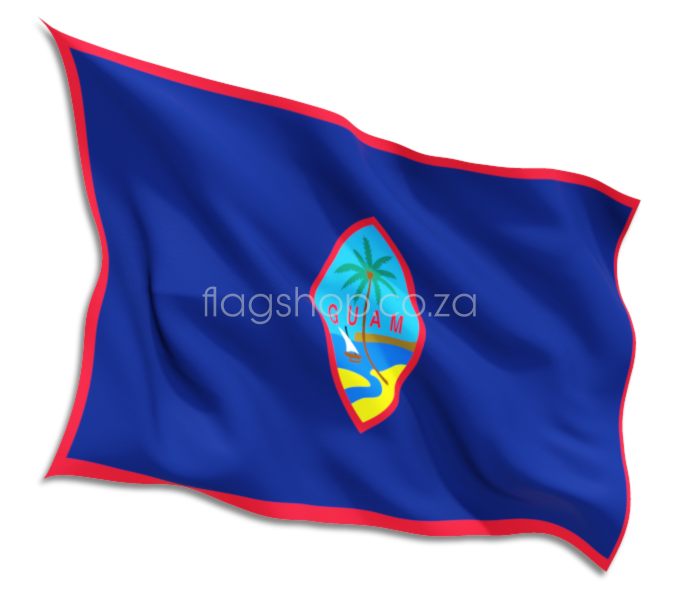
The flag of the Territory of Guam was adopted on February 9, 1948.
• 90 x 60cm (Storm Size)
• 135 x 90cm (Universal Size)
• 180 x 120cm (Standard Size)
• 270 x 180cm (Ceremonial Size)
• Fitted with header, rope and toggle ready for hoisting
• Material: 100% Polyester Bunting (The Real Flag Material)
• Strikethrough: 97% Ink penetration resulting in a crisp mirror image on the reverse side of the flag
• Reverse Side: Mirror image of front side
Suited for conditions such as intense UV radiation, moist, salty air and high winds.
The average life expectancy of a flag is between 10 and 12 months with normal wear and tear but will differ with fluctuating weather conditions.
Taking care of your flags will prolong the lifespan and keep them looking good.
• Lower your flags at night
• Wash your flags regularly. Dirt can erode fabrics, dull the colours and cause wear
• Inspect your flags for deterioration of stitching and thread and have them repaired
• Expected delivery between 7 to 10 business days
• Free delivery for orders over R1000
The territorial flag is dark blue with a narrow red border on all sides (border was a later addition). In the centre of the flag is the coat of arms; an almond shaped emblem, which depicts a proa sailing in Agana Bay near Hagåtña, and GUAM coloured in red letters. The shape of the emblem recalls the slingshot stones used by the islanders’ ancestors. The landform at the back depicts the Punta Dos Amantes cliff on Guam. Charles Alan Pownall approved the flag’s shape in 1948.
As a compliment to the Guam flag and in response to Guam law providing for municipal flags, efforts were made to depict the culture of each Guam village. These efforts to design unique municipal flags were collaborated through the Mayors’ Council with the assistance of illustrative artist Gerard Aflague, a Guam born native. These flag designs reflect unique aspects of each of Guam’s municipal villages. Wikipedia