
 SUPPLIERS OF QUALITY FLAGS SINCE 2008
SUPPLIERS OF QUALITY FLAGS SINCE 2008
R325
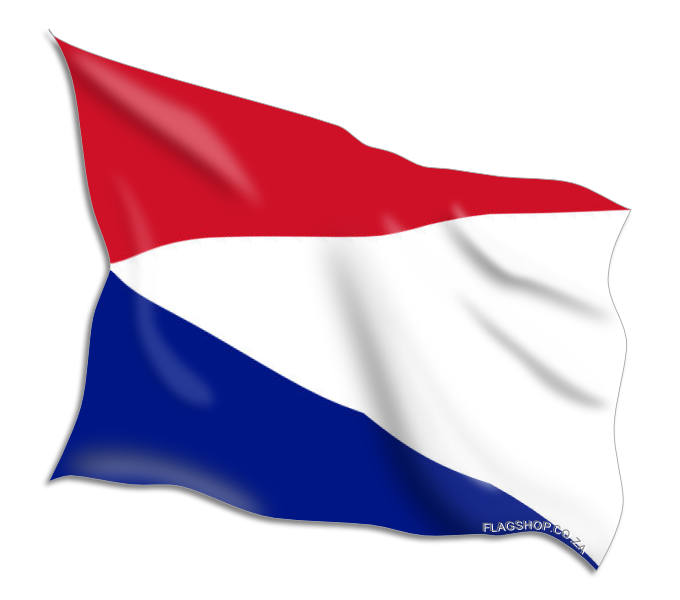
The flag of the Natalia Republic was the official flag of this short-lived South African state, which existed from 1839 to 1843.
• 90 x 60cm (Storm Size)
• 135 x 90cm (Universal Size)
• 180 x 120cm (Standard Size)
• 270 x 180cm (Ceremonial Size)
• Fitted with header, rope and toggle ready for hoisting
• Material: 100% Polyester Bunting (The Real Flag Material)
• Strikethrough: 97% Ink penetration resulting in a crisp mirror image on the reverse side of the flag
• Reverse Side: Mirror image of front side
Suited for conditions such as intense UV radiation, moist, salty air and high winds.
The average life expectancy of a flag is between 10 and 12 months with normal wear and tear but will differ with fluctuating weather conditions.
Taking care of your flags will prolong the lifespan and keep them looking good.
• Lower your flags at night
• Wash your flags regularly. Dirt can erode fabrics, dull the colours and cause wear
• Inspect your flags for deterioration of stitching and thread and have them repaired
• Expected delivery between 7 to 10 business days
• Free delivery for orders over R1000
Emigrant Boers ('Voortrekkers') from the Cape Colony established an independent state in 1839, on territory conquered from the Zulus. They named it 'Natalia'. It is uncertain what flag – if any – they flew at first, but on 24 December 1839 they raised a new flag at Port Natal (now Durban. The same flag was raised in the capital, Pietermaritzburg, in January 1840.
British forces invaded the republic in May 1842 and occupied Pietermaritzburg two months later. The flag was probably discontinued at that time or shortly afterwards. After three years of military occupation, the United Kingdom formally annexed Natalia, as 'Natal', in May 1844.
Andries Pretorius, former Prime Minister of the Natalia Republic, and his followers, arrived in Potchefstroom after the annexation of Natal to the United Kingdom and brought with him the flag which saw continued use in Potchefstroom until it was relinquished in 1858.
The flag and its design passed into obscurity. They returned to public notice only after the South African Archives acquired the papers of Professor Ulrich Lauts in 1925. Back in 1847, Lauts had published a book (in the Netherlands) in which he described the flag as being in the colours of the Dutch flag (i.e. red, white and blue) and in the same order. "The white, however, stretches from a point in the middle of the hoist to the full width of the cloth at the end of the flag.