
 SUPPLIERS OF QUALITY FLAGS SINCE 2008
SUPPLIERS OF QUALITY FLAGS SINCE 2008
R325
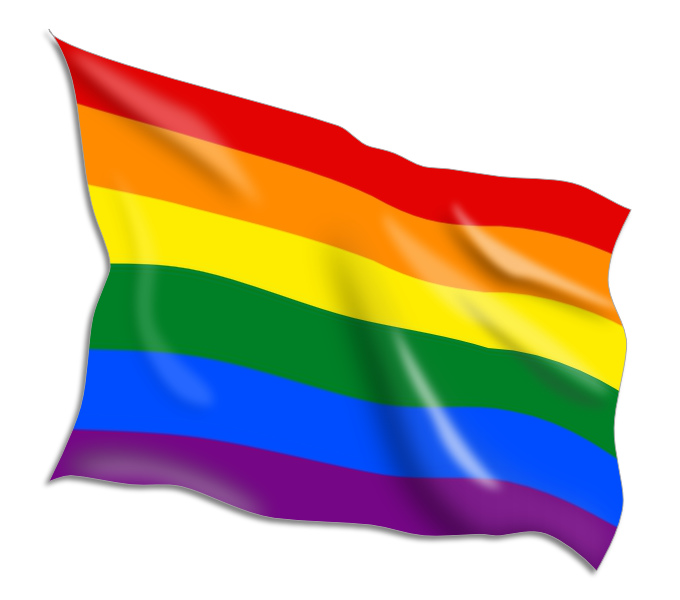
The rainbow flag, sometimes pride flag, LGBT pride flag or gay pride flag, is a symbol of lesbian, gay, bisexual, and transgender (LGBT) pride and LGBT social movements in use since the 1970s.
• 90 x 60cm (Storm Size)
• 135 x 90cm (Universal Size)
• 180 x 120cm (Standard Size)
• 270 x 180cm (Ceremonial Size)
• Fitted with header, rope and toggle ready for hoisting
• Material: 100% Polyester Bunting (The Real Flag Material)
• Strikethrough: 97% Ink penetration resulting in a crisp mirror image on the reverse side of the flag
• Reverse Side: Mirror image of front side
Suited for conditions such as intense UV radiation, moist, salty air and high winds.
The average life expectancy of a flag is between 10 and 12 months with normal wear and tear but will differ with fluctuating weather conditions.
Taking care of your flags will prolong the lifespan and keep them looking good.
• Lower your flags at night
• Wash your flags regularly. Dirt can erode fabrics, dull the colours and cause wear
• Inspect your flags for deterioration of stitching and thread and have them repaired
• Expected delivery between 7 to 10 business days
• Free delivery for orders over R1000
A pride flag is any flag that represents a segment or part of the LGBT community. Pride in this case refers to the notion of gay pride. The terms LGBT flag and queer flag are often used interchangeably.
The rainbow flag is the most widely used LGBT flag and LGBT symbol in general. There are derivations of the rainbow flag that are used to focus attention on specific similar-interest groups within the community (for example, leather subculture). There are also some pride flags that are not exclusively related to LGBT matters, such as the polyamory flag.
The colours of the Gay Pride Flag reflect the diversity of the LGBT community, and the flag is often used as a symbol of gay pride in LGBT rights marches. It originated in California, but is now used worldwide. Designed by San Francisco artist Gilbert Baker in 1978, the design has undergone several revisions to first remove then re-add colours due to widely available fabrics. As of 2008, the most common variant consists of six stripes, with the colours red, orange, yellow, green, blue, and violet. The flag is commonly flown horizontally, with the red stripe on top, as it would be in a natural rainbow.
The original gay-pride flag was hand-dyed by Gilbert Baker. It flew in the San Francisco Gay Freedom Day Parade on June 25, 1978. It has been suggested that Baker was inspired by Judy Garland's singing "Over the Rainbow". Another suggestion for how the rainbow flag originated is that at college campuses during the 1960s, some people demonstrated for world peace by carrying a Flag of the Races (also called the Flag of the Human Race) with five horizontal stripes (from top to bottom they were red, black, brown, yellow, and white). Gilbert Baker is said to have gotten the idea for the rainbow flag from this flag[4] in borrowing it from the Hippie movement of that time largely influenced by pioneering homosexual activist Allen Ginsberg. The flag consisted of eight stripes; Baker assigned specific meaning to each of the colours: See pics above. Wikipedia